Homeowners in Middlefield, CT run their heat pumps hard. The system heats through long, damp winters and cools during sticky summers, often in the same week each spring and fall. That workload saves money compared to separate furnace and AC units, but it also means the equipment needs steady, predictable care. The right heat pump maintenance schedule keeps energy bills in check, prevents surprise breakdowns on 91-degree afternoons, and extends the life of the system by years.
Direct Home Services services heat pumps across Middlefield, Lake Beseck, Powder Hill, and the Strickland Road corridor. The team sees the same story again and again: units that get regular maintenance run quieter, hold temperature better, and use less electricity. Units that don’t tend to short-cycle, freeze up, or lose ground on extreme days. The good news is the right service frequency is simple, and most issues are preventable.
The short answer: twice a year for year-round performance
A heat pump both heats and cools, so it needs attention before each primary season. In this climate, the best plan is one maintenance visit in spring before cooling starts and one in fall before heating season. Each visit covers cleaning, testing, and adjustments for the mode the system will use most over the next six months. If the system serves a high-traffic home with pets, or if it’s a variable-speed or ductless multi-zone setup, the technician may recommend a little more attention on filters and coils between visits.
Many manufacturers require this schedule to keep the warranty valid. The language usually reads “annual service” but, in practice, for a heat pump in New England, service twice a year meets both warranty expectations and local realities. That spacing also lines up with pollen in late spring and leaf debris in fall, when coils need the most cleaning.
What changes in Middlefield, CT
Local conditions push heat pumps harder than the national average. February brings extended cold snaps, and July humidity strains the system in cooling mode. A few examples from field calls in Middlefield:
- Homes near Lake Beseck often have higher outdoor humidity and more organic debris around outdoor units. That clogs fins faster, so coil cleaning matters more and should not wait a full year. Houses on Country Club Road with long duct runs see more static pressure swings. A dirty filter or partially closed register can push a marginal blower over the edge. Split-level homes along Route 66 often need careful refrigerant charge checks in spring due to small winter losses at service valves. A few ounces off-charge can cause 10 to 20 percent efficiency loss in cooling.
These patterns argue for predictable, seasonal visits. Skipping a season usually shows up as rising bills or comfort complaints within weeks.
What happens during a proper maintenance visit
A complete heat pump maintenance visit is not a quick filter swap. It is a step-by-step inspection, cleaning, and performance test. Every brand has specifics, but the core work is consistent. A thorough tune-up includes:
- Indoor unit: Checks blower wheel cleanliness, motor amps, capacitor health, drain pan condition, and the condensate line. The technician cleans the evaporator coil if accessible, inspects the electric heat kit (if present), measures temperature split, and checks for air leaks around the cabinet. Outdoor unit: Washes the condenser coil with water and a coil-safe cleaner when needed, straightens bent fins, verifies fan motor draw, and inspects contactor contacts for pitting and heat marks. The tech also checks defrost controls and sensors, because winter performance depends on them. Refrigerant circuit: Measures superheat and subcooling in the active mode and compares to manufacturer targets at current outdoor temperatures. The goal is proper charge, not guesswork. No reputable technician “tops off” without getting those readings first. Electrical and controls: Tightens lugs, tests capacitors, checks thermostat calibration, verifies staging or inverter operation, and runs the system through both heating and cooling modes if outdoor temperature permits. Airflow and ducts: Checks filter fit and condition, looks for kinked flex ducts or disconnected returns, and spot-measures static pressure. If readings are high, the tech will suggest practical fixes such as additional return area or a higher-MERV, low-resistance filter that fits the cabinet.
This is the practical difference between a clean-and-check and real maintenance. The second finds the small problems early.
Why twice-yearly service pays off
Small performance losses add up fast. A few numbers from local homes tell the story:
- A 1 to 2 degree thermostat setback that never catches up because of a dirty outdoor coil typically raises summer kWh by 8 to 12 percent. A blower wheel with 1/16-inch of dust can reduce airflow by roughly 10 percent. That can force longer run times, higher head pressures, and louder operation. Low refrigerant charge by even 5 to 10 percent can cut capacity by 10 to 20 percent, which homeowners feel as rooms that won’t cool below 76 on humid afternoons.
Twice-yearly heat pump maintenance keeps coil surfaces clean, airflow in range, and controls calibrated. Over a season, that usually returns more than the cost of the visit through reduced energy use and fewer repairs. It also preserves the compressor. Compressors survive on correct charge and proper airflow; both are verified in a good tune-up.
Signs maintenance is overdue
Heat pumps rarely fail without warning. They send signals that maintenance is past due. Common signs include short-cycling, ice on the outdoor unit outside of a defrost cycle, water at the indoor unit from a clogged condensate line, uneven temperatures between floors, and a rising electric bill with the same thermostat settings. Noise changes matter too. A new buzzing at the outdoor unit often points to a failing contactor or capacitor, which is easy to catch during a seasonal tune-up.
What homeowners can handle between visits
A technician should handle charge, coils, electrical components, and airflow measurement. Homeowners can make a big difference with a few simple tasks:
- Change or wash filters every 30 to 90 days based on use, pets, and dust. Most Middlefield households do well on 60-day changes in summer and winter, 90 days in spring and fall. Keep a two-foot clearance around the outdoor unit. Trim shrubs, remove leaves, and keep grass clippings away from the coil. Rinse the outdoor coil gently with a garden hose from the inside out if visible dirt builds up. Avoid pressure washers. Keep supply registers open and returns unblocked by furniture. Pour a cup of white vinegar into the condensate drain port quarterly to slow algae growth.
These tasks extend the benefit of professional service, but they do not replace it. Measuring superheat and subcooling or testing defrost logic requires tools and training.
Special cases that change the schedule
Not every heat pump has the same needs. The maintenance calendar shifts for these situations:
- Ductless mini-splits in homes with pets: Indoor heads trap fine hair on their filters quickly. Clean the screens monthly and schedule professional coil cleaning at least annually, often better at twice a year for multi-head systems used daily. High-efficiency inverter systems: These deliver excellent comfort, but their performance depends on clean sensors and exact charge. Seasonal checks protect the electronics and variable-speed compressors from stress. Vacation homes used seasonally: If the heat pump runs mostly for humidity control in summer and freeze protection in winter, a single annual visit can work, timed ahead of the heavier use period. Many owners still choose spring and fall visits to avoid any surprises on arrival weekends. Recent construction or remodeling: Sawdust and drywall dust clog filters and coat coils quickly. Schedule an extra filter change and a coil inspection within a month after work wraps. Allergies or indoor air quality concerns: Higher MERV filters improve capture but can restrict airflow if undersized. Seasonal static pressure checks keep the system within safe limits.
Direct Home Services advises based on actual use, not a one-size calendar. The technician will discuss heat pump services near me how the home is lived in and set a sensible plan.
What a “quick check” misses
Discount “tune-ups” that last 15 minutes usually skip essential tests. Without measuring directhomecanhelp.com heat pump services near me temperature split and refrigerant pressures, the tech cannot confirm capacity. Without removing the blower compartment panel, the tech cannot see a dirty blower wheel. Skipping a coil rinse because “it looks fine” ignores debris that lives deep in the fins. These shortcuts lead to callbacks in July and January, which cost more than doing the work right in April and October.
Homeowners can ask a simple question when booking: What tests and cleanings are included? Look for temperature split, static pressure or airflow check, electrical testing, coil cleaning, and refrigerant performance measurements with documented readings.
How weather affects what can be checked
On a 35-degree day, a technician cannot take accurate cooling mode readings outdoors. On a 90-degree day, heating mode readings are unreliable. Direct Home Services works around this with two strategies. First, the tech performs all mode-agnostic tasks every visit: cleaning coils, tightening connections, clearing drains, and inspecting the blower. Second, the tech tests the active mode fully and records off-season baseline data where valid. That means spring visits focus deeper on cooling performance, while fall visits verify heating and defrost operation. Some inverter systems allow simulated tests; the tech uses the manufacturer’s service mode when it produces trustworthy data.
The cost of deferring maintenance
It may feel like saving money to skip a visit, but the math argues otherwise. A clogged outdoor coil can raise head pressure and push a compressor outside its normal envelope, shortening its life. A blower wheel that never gets cleaned strains the motor and increases heat in the windings. A blocked condensate drain can overflow and damage drywall or flooring. Typical repair costs in Middlefield:
- Capacitor or contactor replacement: often $150 to $350. Condensate overflow damage: ranges from a $200 drain cleaning to a $2,000 ceiling repair. Compressor replacement: commonly $2,500 to $5,500, depending on tonnage and refrigerant.
Regular heat pump maintenance keeps small parts from taking down expensive ones. It also protects comfort during peak weather, when repair schedules are tight and parts may be on backorder.
What homeowners can expect from a Direct Home Services visit
A routine visit in Middlefield runs about 60 to 90 minutes per system, longer if coils are heavily soiled. The technician arrives with drop cloths, coil-safe cleaners, gauges or digital probes, a vacuum for the drain, and replacement filters if requested. The work proceeds in a steady order: assess, clean, test, adjust, verify. Before leaving, the tech shares readings such as temperature split, superheat or subcooling, motor amperage, and static pressure. If the report shows a trend, such as rising static or marginal charge, the tech explains the options plainly, with pros and cons and rough costs.
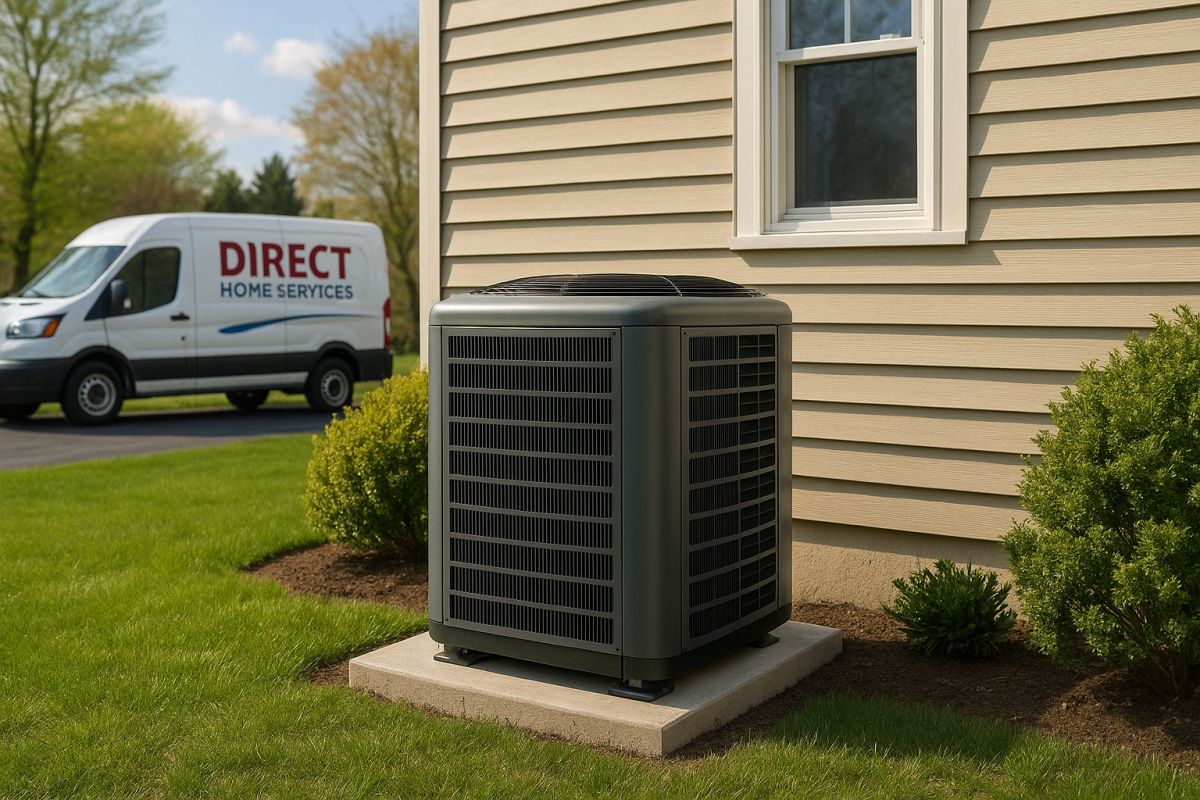
Homeowners who prefer planning predictable costs often choose a maintenance plan. It locks in seasonal visits, saves a little on parts, and prioritizes the home for peak-season calls. For busy families along Baileyville Road or homeowners managing a rental near Powder Hill, that predictability is welcome.
How age and brand affect the timeline
Age matters, but it does not replace maintenance. A well-maintained 12-year-old heat pump may outperform a neglected 5-year-old unit. That said, older systems often benefit from closer attention to electrical components and contactors. Some brands have common wear points, which experienced technicians know to check. For example, certain models have outdoor fan capacitors that trend weak after five to seven years. Catching that in a fall visit avoids a no-cool call on the first June heat wave.
At the 10 to 15-year mark, Direct Home Services often adds a conversation about planning for replacement in the next few seasons. The tech can provide efficiency comparisons between the current system and modern variable-speed options, with estimated energy savings based on actual usage. That does not change the maintenance schedule, but it helps homeowners budget and decide when repair dollars still make sense.
Practical timeline for Middlefield homeowners
In this area, a simple calendar keeps a heat pump in shape:
- Late March to late May: Schedule the cooling tune-up. Pollen drops, coils get rinsed, charge verified, and drains cleared before humidity spikes. Late September to early November: Schedule the heating tune-up. Defrost controls tested, outdoor coil cleared of summer buildup, and backup heat checked.
Those windows avoid the first heat wave and the first freeze, when appointment slots fill quickly. If those windows pass, still schedule the visit. Late service beats no service.
What to do right now
The easiest way to get on track is to pick the next season and book. If the system has not been serviced in the last year, start with a full diagnostic and cleaning. If the outdoor unit shows matted debris or the indoor unit has a musty smell, ask for coil cleaning to be included. Note any symptoms you have seen, such as longer run times or rooms that lag behind setpoint, and share them with the technician. Those details focus the visit and help catch hidden issues like duct leaks.
Direct Home Services offers heat pump maintenance across Middlefield and nearby towns. The team is local, familiar with the utility rates, the typical duct layouts in area homes, and the weather patterns that stress systems here. Same-day or next-day appointments are often available in spring and fall. Homeowners can call, text, or schedule online. Clear pricing, documented readings, and practical recommendations come standard.
Common questions from Middlefield homeowners
How often should filters be changed? For most homes, every 60 days during heavy heating or cooling and up to 90 days during mild seasons. Homes with pets may need 30 to 45 days. If the filter looks bowed into the rack or has visible dust matting, change it now.
Does duct cleaning replace maintenance? No. Duct cleaning may help air quality in specific cases, but it does not clean coils, test charge, or verify controls. Heat pump maintenance focuses on the equipment and performance.
Is a yearly visit enough? For climates where the heat pump runs lightly in one mode, maybe. In Middlefield, twice-yearly is the right call for most households because the system works hard in both seasons.
Should the outdoor unit run during winter? Yes. Heat pumps extract heat from outdoor air even below freezing. Occasional steam and brief pauses are part of defrost cycles. Constant ice buildup is not normal and needs service.
What about energy savings? A clean, properly charged system can save 10 to 25 percent on seasonal energy use compared to a neglected one, depending on starting condition and usage.
The bottom line for Middlefield homes
Heat pumps deliver year-round comfort at a fair operating cost, as long as the system gets regular attention. In this climate, twice-yearly heat pump maintenance is a practical, proven schedule. It protects the compressor, preserves efficiency, and keeps the home steady through February cold and July humidity. The work is specific and measurable, not guesswork. When a technician cleans coils, verifies charge by superheat and subcooling, checks defrost, and confirms airflow, the system responds with quieter runs, smoother temperature control, and lower bills.
Direct Home Services focuses on this kind of maintenance for homes in Middlefield, CT. The team schedules visits in spring and fall, checks what matters, and explains everything in plain terms. Homeowners who are ready to set a sensible schedule can contact the office today to book the next visit and lock in reliable comfort for the seasons ahead.
Direct Home Services provides HVAC repair, replacement, and installation in Middlefield, CT. Our team serves homeowners across Hartford, Tolland, New Haven, and Middlesex counties with energy-efficient heating and cooling systems. We focus on reliable furnace service, air conditioning upgrades, and full HVAC replacements that improve comfort and lower energy use. As local specialists, we deliver dependable results and clear communication on every project. If you are searching for HVAC services near me in Middlefield or surrounding Connecticut towns, Direct Home Services is ready to help.
Direct Home Services
478 Main St
Middlefield,
CT
06455,
USA
Phone: (860) 339-6001
Website: https://directhomecanhelp.com/
Social Media: Facebook | Instagram
Map: Google Maps